

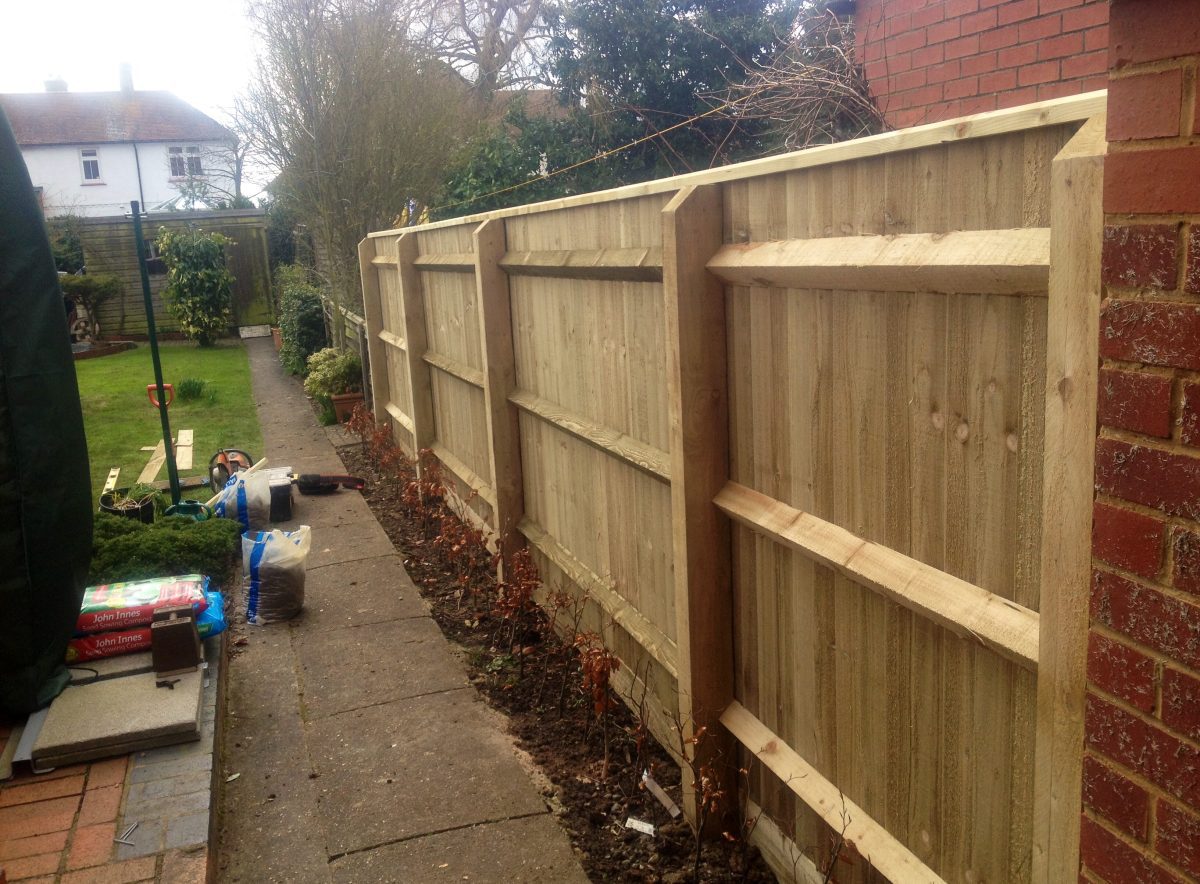
Do I Need Planning Permission for a Garden Fence? All Your Fence Planning Questions Answered
A new fence might seem like a straightforward garden project. But before the old panels come down, you’ve probably wondered if your project needs planning permission.
Fortunately, in most cases, you don’t need planning permission for a garden fence in the UK if it’s no more than two metres high. 6ft 6 However, this limit is usually reduced to one metre if the fence is next to a highway used by vehicles or the footpath beside it. Different rules may also apply to listed buildings and properties affected by planning conditions or Article 4 directions (more on that later!).
AtCC Fencing, we’ve been installing and repairing fences across Milton Keynes for 20 years. So to help you prepare for an upcoming installation, we’ve put together this guide covering some of our most frequently asked fence planning questions.
Do You Need Planning Permission for a Garden Fence in Milton Keynes?
Most garden fences in Milton Keynes can be installed or replaced without a planning application, as long as they meet the relevant height limits and no additional restrictions apply.
The following table provides a quick overview of the general planning rules for fences in England.
These are the general rules set out by the Planning Portal, but your property documents and local planning restrictions may still affect what you can install, even when the proposed fence falls within these height limits.
How Is Garden Fence Height Measured on Sloping Ground?
Fence height is measured from ground level, but this can become more complicated when the land slopes or one garden sits higher than the other.
For example, a two-metre fence installed beside a two-foot drop may appear closer to eight and a half feet tall from the lower garden. If the ground levels differ significantly, it’s worth askingMilton Keynes City Council how the proposed fence should be measured before starting work.
It’s also worth noting here that the change in ground level can also affect the strength of the installation. A fence that stands much higher above the lower garden will be more exposed to strong winds, placing extra pressure on the panels, posts and foundations. An experienced fencing contractor can assess the slope and wind exposure before recommending a suitable height and installation method. Knowing the best type of fence to be installed is crucial.
Does Trellis Count Towards the Fence Height?
Yes. Trellis fitted on top of a fence generally counts towards its total height for planning purposes.
For example, adding 30 centimetres of trellis to a two-metre fence would take the combined structure above the normal permitted height. You may therefore need planning permission for your garden fence, even if the solid part of the fence stays within the limit.
Trellis can still be used to add privacy, security, and deter climbing, or support plants, but the combined height of the fence and trellis needs to remain within the relevant planning limit.
What Else Should You Check Before Installing a Garden Fence?
Planning permission for a garden fence isn’t the only consideration to make. Before repairing or installing a new fence, make sure to check your deeds for restrictive covenants and look for any rules set by an estate or management company. Conditions attached to the property’s original planning permission may also affect the height, material, colour, or style of fencing you can install.
You should also check if anArticle 4 direction applies or if the property is listed, located in a conservation area or subject to highway visibility requirements. Any existing agreement concerning a shared boundary may also influence your plans.
These additional restrictions are especially worth checking if you live on a development with open-plan front gardens.
Your Garden Fence Planning Checklist
As we’ve covered, most garden fences can be installed without planning permission. The main exceptions involve fences that exceed the height limits, listed buildings, and properties affected by additional planning restrictions.
To help your fence installation go as smoothly as possible, it’s worth completing the following checks before work begins:
- Check the title register, title plan, transfer documents and deeds.
- Confirm who owns or maintains the existing fence.
- Measure the proposed total height, including any trellis.
- Check if the fence will be next to a highway, verge, or adjoining footway.
- Look for restrictive covenants and estate rules.
- Check for planning conditions and Article 4 directions.
- Confirm if the property is listed or in a conservation area.
- Consider differences in ground level on either side.
- Speak to your neighbour about the plans and access requirements.
- Contact Milton Keynes City Council if anything remains unclear.
Most residential fencing projects in Milton Keynes are relatively straightforward, but completing these checks early can save you from the stress of having to change your plans later.
If you’re planning to replace a damaged boundary orput up a new fence, we’d love for you to book a free fencing survey with our team. We can inspect the fence line, access, ground levels, and surrounding conditions before talking you through the best options for your garden.
Frequently Asked Questions About Checking Your Garden Fences
How Do You Know Which Garden Fence Is Yours in Milton Keynes?
Start with your property documents. Check the title register, title plan, transfer documents and any original deeds you still have. These may include wording about the ownership or maintenance of a particular boundary.
You might also spot T-marks on a deed plan. These can indicate ownership or maintenance responsibilities, but only when the marks are supported by wording in the deed. A T-mark on its own may not be enough to settle the question.
Here in Milton Keynes, many homeowners have heard that the fence on the left belongs to them when they are looking down the garden. Although this may be true for some properties, it’s not a legal rule. Always check your own documents instead of relying on an arrangement that applies to another home or street.
It’s also important to remember that most title plans show only the general position of a boundary. They do not usually establish its precise legal line or confirm ownership of every fence.
Can Neighbours Share Responsibility for a Fence?
Yes. Some deeds and transfer documents make both neighbours responsible for maintaining a boundary.
We sometimes come across shared arrangements on Milton Keynes estates such as Oxley Park, Westcroft, and Kingsmead. However, responsibilities can differ between individual properties, even when they are on the same street. Always check the paperwork for your own home before making plans.
If the documents do not identify who owns or maintains the boundary, don’t assume the fence belongs to one household. HM Land Registry’s guidance on property boundaries says a boundary feature with unclear ownership is generally best regarded as a party boundary. Alterations or replacement should then be agreed by both adjoining owners.
Do You Need to Tell Your Neighbour Before Replacing a Fence?
It’s always sensible to speak to your neighbour before replacing a fence on or close to the boundary. This gives you both an opportunity to discuss who owns or maintains the fence, what the replacement will look like, how high it will be, and when the work will take place.
You can also discuss access to each garden, the protection of nearby plants, paving and garden furniture, and any plans to share the cost.
You will need your neighbour’s permission if the installation team needs to enter their property. Don’t assume installers can use the neighbouring garden simply because it provides easier access. Agree on the date, access route, and practical arrangements beforehand.
Who Pays for a Fence Between Neighbours?
There’s no blanket rule stating that one neighbour must always pay for a fence repair or replacement. Responsibility usually depends on what the property documents say, who owns or maintains the fence, why the work is needed, and what the neighbours agree between them.
Sometimes, one homeowner covers the full cost because they want greater privacy or have a particular design in mind. If the fence will sit on your land and there’s no dispute about the boundary, this may provide a straightforward way forward, though you should still tell your neighbour about the proposed height, appearance, and installation date.
If you hope to split the cost, make sure to agree on a budget before selecting the fence. Your neighbour may be happy to contribute towards a standard replacement but not additional features such as concrete posts, closeboard fencing, or decorative trellis.
If ownership remains unclear or a boundary dispute has already started, do not remove the existing fence until you have sought professional advice. A solicitor, conveyancer, or boundary surveyor can help clarify the legal position.
Which Way Should the Finished Side of a Fence Face?
You may have heard that the finished or “good” side of a fence has to face your neighbour’s garden. However, there is no general law requiring a fence to be installed this way.
If you are paying for a fence that will sit on your land, you can usually choose which side faces your garden, provided your deeds, covenants, or other property documents do not state otherwise.
Appearance is not the only consideration. Keeping the posts and rails on your side can make future repairs easier and may improve security, while you may prefer to have the finished side facing your own garden.
Double-sided fence panels offer another option. They look similar from both gardens, which can make them a practical choice when both neighbours want an attractive finish. During a free fencing survey, we can show you the available designs and discuss the best orientation for your boundary.

